What Makes a Hotel Room Good for Recovery if I Have a Health Condition?
When travelling with a health condition, your choice of accommodation isn’t just about comfort or style — it’s a vital part of your recovery and wellbeing. A “sleep-first room”, quiet location, and reliable temperature control can make a world of difference. Add to this thoughtful trip planning, including securing clinician letters and documentation well ahead of time, and you can turn what could be a stressful journey into a manageable, what is clinician letter travel even restorative experience.
Going Beyond Spa Clichés: Wellness Travel That Works
It’s tempting for wellness travel guides to default to clichés: spas, hot tubs, meditation classes. But if you have a health condition, your needs are often more fundamental and practical. Sometimes, the best wellness aspect your hotel offers is simple peace.
That means avoiding noisy bars, party hotspots, or even overenthusiastic “wellness programming” that demands energy you don’t have. Instead, focus on the basics:

- Soundproofing and location: A quiet room that allows uninterrupted rest is invaluable.
- Control over your environment: The ability to adjust room temperature and lighting easily makes your space truly adaptable to your needs.
- Reliable amenities: From a lift to avoid stairs, to blackout curtains or tape to block rogue LEDs, small conveniences add up.
Incorporating these essentials into your trip planning helps create a sanctuary that supports recovery above all else.
The Three-Night Minimum: Why Longer Stays Matter
When managing a health condition on the road, shorter stays can create more stress than relief. Here’s why I always recommend planning for a minimum of three Visit this link nights in one place:
- Adjusting to your new space: It can take a full day just to acclimate — finding where the lift is, testing temperature controls, setting up your medication storage.
- Rest cycles and energy management: Multiple nights let you settle into a steady rhythm rather than rushing through constant packing and unpacking.
- Room noise and environmental assessment: Sometimes the first night reveals unexpected disturbances — a noisy neighbouring unit, street traffic, or late-night deliveries. Staying longer lets you report problems or request a room change without scrambling.
In short, prioritising duration reduces logistical friction and preserves your energy for recovery and enjoying your trip.
Energy-First Itinerary Planning: Prioritising Your Wellbeing
Traditional itineraries often default to cramming every moment with activity — early starts, back-to-back tours, and exhaustive sightseeing. But when you’re managing a health condition, an “energy-first” itinerary makes all the difference.
- Start late: Ditch the 7am starts. Your well-being comes before sightseeing checklists.
- One anchor booking per day: Make a single non-negotiable plan like a museum visit or quiet dinner reservation, then leave the rest of the day open.
- Schedule ample rest: Leave time for naps, walks in green spaces, or simply decompressing in your room’s calm environment.
- Monitor medication timing: Plan your activities around when you need your medication, supported by documentation from your clinician if airline or hotel staff require verification.
This gentle approach keeps your health top of mind and prevents the exhaustion spiral common on fast-paced trips.
Essential Documentation: Clinician Letters and Early Requests
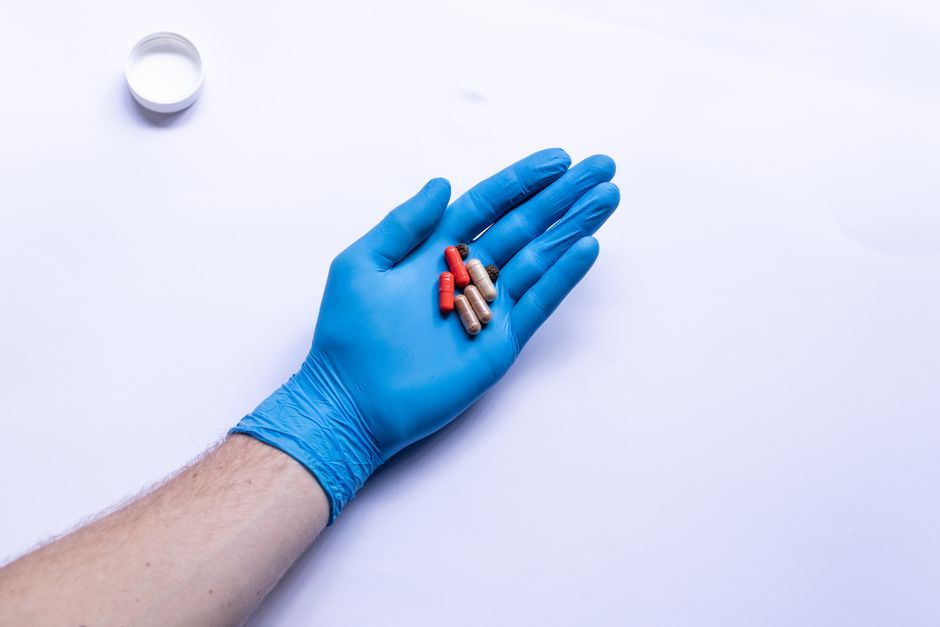
When travelling with prescribed medication or medical devices, preparation is key. Airlines, customs, and hotels may require documentation, and last-minute scrambling risks delays or complications.
Clinician Letters for Prescribed Medication
A clear, up-to-date letter from your healthcare provider outlining your medication needs is invaluable:
- Specifies medications, quantities, and method of storage.
- Explains medical necessity to security or customs officials.
- Facilitates smoother dealings with airline staff and hotel reception.
Keep both digital and printed copies accessible during your trip.
Documentation Requests to Private Providers Made Well Before Travel
If you require specialised therapies or equipment available only via private providers abroad — for example, physiotherapy sessions or dietary meals — submit documentation and requests early. This might include:
- Proof of diagnosis or referral.
- Treatment plans outlining your needs and schedules.
- Contact details for your clinician supporting the request.
Early planning ensures providers can accommodate your requirements without rush or guesswork, reducing stress on arrival.
Key Features to Look for in a Recovery-Friendly Hotel Room
When booking your accommodation, keep these priorities front and centre:
Feature Why It Matters What to Ask or Check Sleep-first room (darkness and quiet) Uninterrupted sleep is the foundation of recovery. Request a quiet location away from lifts, ice machines, and nightlife. Ask if blackout curtains are provided or bring blackout tape for LEDs. Temperature control Your comfort depends on being able to warm or cool the room as needed. Confirm if you can independently adjust heating/cooling. Check whether the system is noisy or remote-controlled. Quiet location in hotel Noise disturbance elevates stress and can worsen conditions like anxiety or chronic pain. Request a room on a higher floor, away from service areas and busy streets. Lift access Avoiding stairs prevents unnecessary exertion and risk. Always ask where the nearest lift is before confirming a room booking. Reliable Wifi and Power Outlets Access to online medical records, clinician contact, and charging medical devices is critical. Check room reviews or hotel website for Wifi stability and outlet placement.Practical Packing Tips for a Low-Friction Stay
- Small roll of blackout tape: Perfect for sealing the tiniest LED lights or gaps in curtains that disturb sleep.
- Copy of clinician letter and medication info: Keep both print and digital accessible.
- Portable temperature monitor: Useful if room thermostats are unreliable or absent.
- Noise-cancelling earplugs or white noise machine: Additional tools for environmental control.
Summary: Prioritise Recovery by Prioritising Your Stay
Choosing a hotel room optimized for your health condition means focusing on foundational wellness: sleep-first rooms, quiet locations, and temperature control, rather than superficial “wellness” trappings. Coupling that with sensible trip planning — three-night stays, energy-first itinerary, and early documentation requests — empowers you to travel without compromising recovery.
Remember, your healing journey deserves the same careful management on the road as it does at home. Book thoughtfully, plan realistically, and prioritise the basics. Your body and mind will thank you.